A standard steel or aluminium roller shutter curtain does not usually contain asbestos. The risk is in older buildings and older fire-rated doors, where asbestos was used in materials around the opening, such as asbestos cement sheets, insulating board and fire-resistant linings. If the building was built or refurbished before 2000, assume asbestos could be present until a survey or the asbestos register says otherwise, and tell your shutter contractor before any work starts.
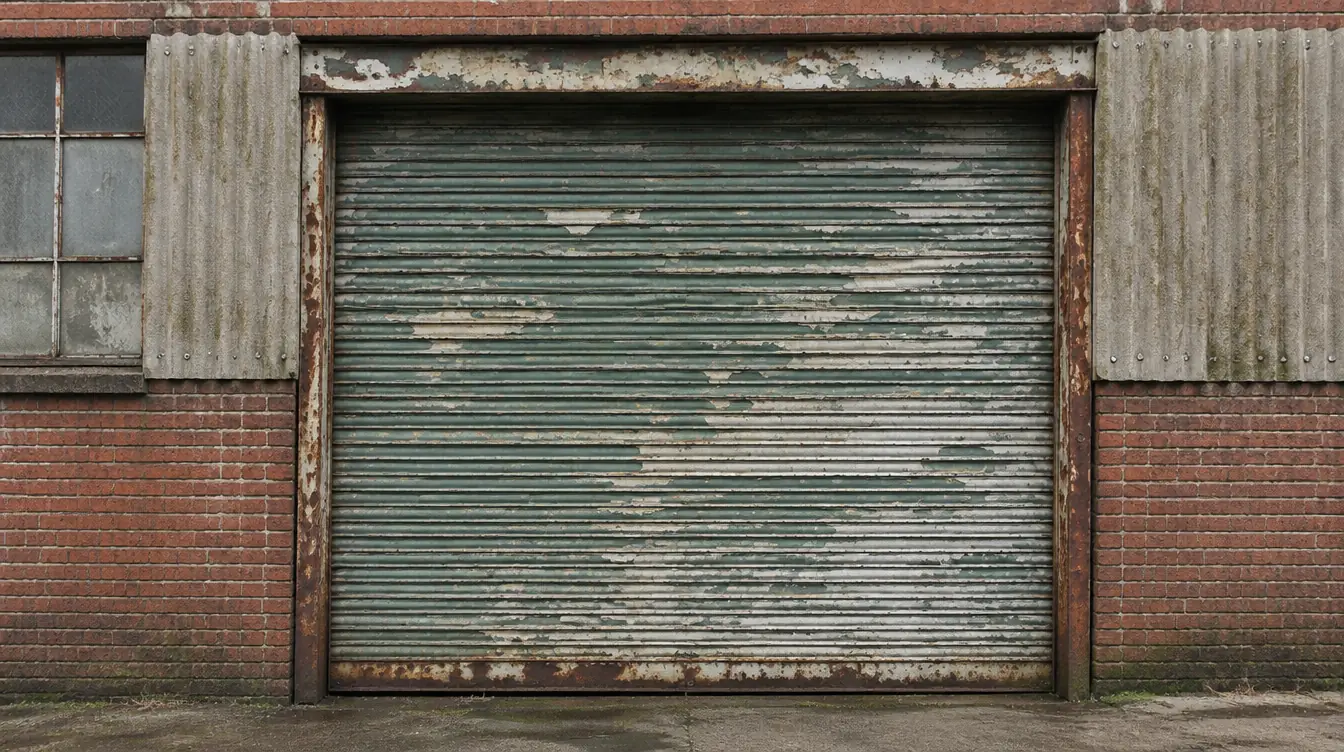
Many of the industrial units, warehouses and shops we work on across the west of Scotland were built decades ago. When an old shutter needs replacing, repairing or removing, asbestos is a sensible question to ask. Disturbing it is dangerous, and in non-domestic buildings there are legal duties to manage it. Here is what you need to know.
Why asbestos is still an issue
Asbestos was widely used in UK buildings for fire resistance, insulation and strength until it was fully banned in 1999. Buildings constructed or refurbished before 2000 can still contain it. Asbestos is generally not a risk while it is in good condition and left alone. The danger comes when it is damaged, drilled, cut or broken, which releases fibres that can cause serious lung diseases years later.
Where asbestos might be found around a roller shutter
The shutter curtain itself, made from steel or aluminium laths, is not typically an asbestos product. The places to think about are the shutter's surroundings and older specialist doors:
- Asbestos cement sheets used for cladding, roofs, canopies or panels around loading bay openings on older industrial buildings.
- Asbestos insulating board (AIB) used for fire protection, soffits, ceiling panels, partitions and around service penetrations.
- Older fire-rated doors and fire shutters, which in some cases used asbestos-containing linings, cores or insulation.
- Packing, boxing or panels around the shutter box, especially where an opening has been altered over the years.
- Textured coatings and older sealants on surrounding walls and ceilings.
You cannot tell whether a material contains asbestos just by looking at it. Only sampling and analysis by a qualified asbestos surveyor can confirm it.
Your legal duties in non-domestic buildings
Under the Control of Asbestos Regulations 2012, whoever is responsible for maintaining or repairing a non-domestic building has a duty to manage asbestos. In practice, that means finding out whether asbestos is present, keeping a record of where it is (often called an asbestos register), assessing the risk and sharing that information with anyone who might disturb it, including contractors fitting or removing shutters.
If you are a tenant, check your lease and ask your landlord or managing agent for the asbestos register before booking any work on old shutters, lintels or surrounding panels.
What to do before replacing or removing an old shutter
- Check the asbestos register for the building, if there is one.
- If there is no information and the building is pre-2000, arrange an appropriate asbestos survey of the area where work will take place. Refurbishment and demolition surveys are designed for work that will disturb the fabric of the building.
- Tell your shutter contractor what the survey found before they quote, so the job can be planned safely.
- Use licensed or trained specialists for any asbestos removal. Shutter installers should not be cutting into suspect materials.
Signs you should stop and check
- grey, fibrous or chalky boards around the shutter box or opening;
- old corrugated cement sheeting next to or above the shutter;
- a very old fire door or fire shutter with no labels or certificates;
- previous alterations that have left patched or boxed-in areas.
If anything is damaged and you suspect asbestos, keep people away from the area and get specialist advice. Do not sweep up or vacuum debris with a normal vacuum cleaner.
How we handle older buildings
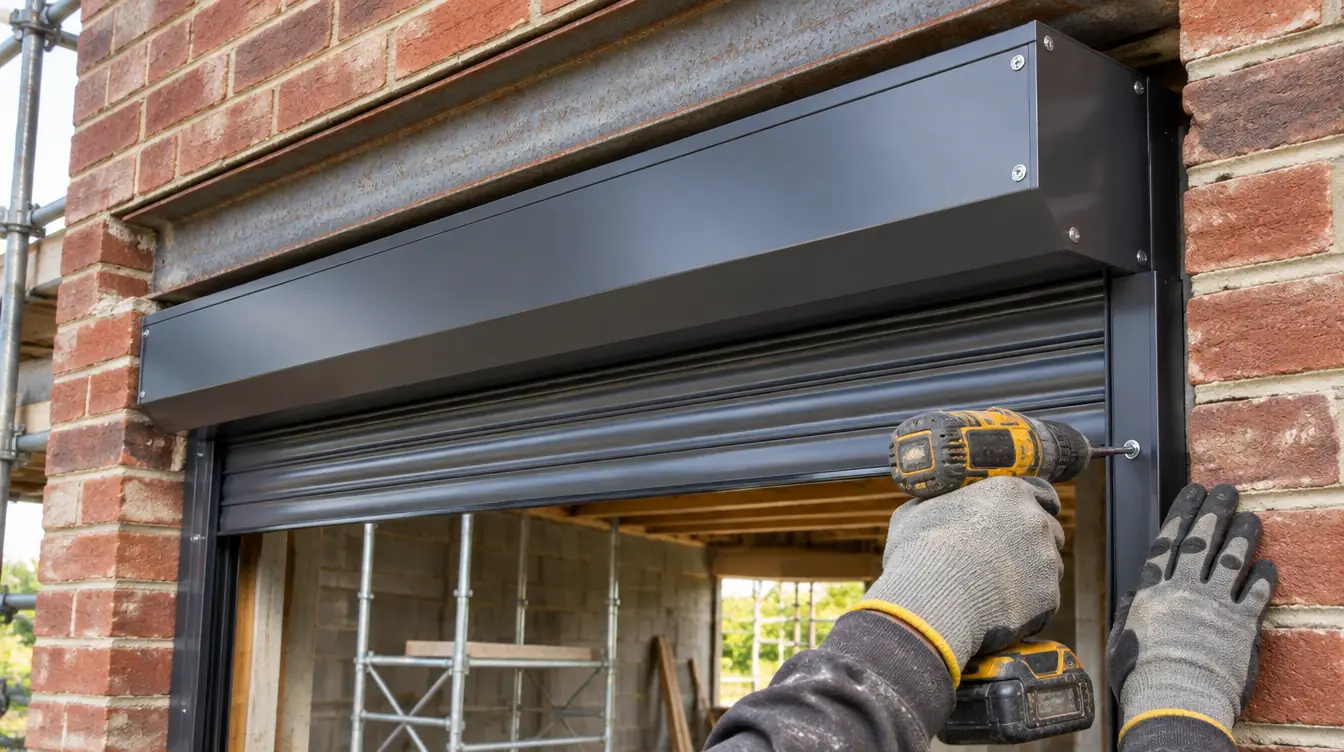
When we survey an older unit for a replacement shutter, we ask about the asbestos register and look at how the existing shutter is fixed. If there is a chance that our work could disturb suspect materials, we will recommend that it is surveyed and dealt with by specialists before we start. Once the area is confirmed safe, we can remove the old shutter and fit a new made to measure one, often reusing the opening without major building work.
Frequently asked questions
Do roller shutters contain asbestos?
Standard steel and aluminium shutter curtains are not usually made with asbestos. The risk is in surrounding materials in older buildings and in some older fire-rated doors, which is why a survey or asbestos register check matters before work.
Is my building likely to contain asbestos?
If it was built or refurbished before 2000, asbestos could be present. The only way to be sure is an asbestos survey with sampling by a qualified surveyor.
Can a shutter company remove asbestos?
Not unless they are trained and, where required, licensed for that type of work. Asbestos should be dealt with by specialists before the shutter work begins.