Roller shutter doors are generally not treated as lifting equipment under LOLER, because they are not used to lift or lower loads. Powered doors in a workplace are mainly covered by the Workplace (Health, Safety and Welfare) Regulations 1992, especially Regulation 5 on maintenance and Regulation 18 on the safety of doors and gates. PUWER can also apply where a door is used as work equipment. Either way, the duty is the same in practice: keep the shutter safe, maintained and checked by a competent person.
Facilities managers, landlords and business owners often ask us which regulations apply to their roller shutter doors, usually because an auditor, insurer or contractor has mentioned LOLER or PUWER. The terminology can be confusing, so here is a plain English summary. It is general guidance, not legal advice, and your own risk assessment should always take priority.
What LOLER covers
LOLER stands for the Lifting Operations and Lifting Equipment Regulations 1998. It applies to lifting equipment used at work, which the Health and Safety Executive (HSE) describes as work equipment for lifting or lowering loads, such as cranes, hoists, forklift trucks and passenger lifts. LOLER brings specific duties, including thorough examinations at set intervals.
A roller shutter does raise and lower its own curtain, but it is not used to lift a load. For that reason it is generally not considered lifting equipment, and HSE's guidance on LOLER does not treat roller shutter doors as being within its scope. If someone tells you your shutters need LOLER thorough examinations, it is worth asking them to explain why.
What PUWER covers
PUWER is the Provision and Use of Work Equipment Regulations 1998. It applies to equipment used by workers at work and requires it to be suitable, maintained in a safe condition and inspected where there is a risk from deterioration. Some powered doors fall under PUWER, for example a loading bay shutter operated by staff as part of their job. HSE also notes that many powered gates and doors are not work equipment under PUWER, so it depends on how the door is used.
The Workplace Regulations: the main rules for doors
For most commercial roller shutters, the key law is the Workplace (Health, Safety and Welfare) Regulations 1992. Two parts matter most:
- Regulation 5: maintenance. The workplace and its equipment, including powered doors, must be maintained in an efficient state, in efficient working order and in good repair.
- Regulation 18: doors and gates. Doors must be suitably constructed, and powered doors must have features to prevent them causing injury by trapping anyone. Where needed, they must be able to be operated manually unless they open automatically if the power fails.
When a powered door is first supplied, the Supply of Machinery (Safety) Regulations 2008 also apply, which is why new electric shutters come with documentation and safety devices fitted.
So which applies to your shutter?
In most cases you are looking at the Workplace Regulations, possibly PUWER as well, but not LOLER. The good news is that the practical answer is the same whichever label applies: the shutter must be safe to use, its safety features must work, and it must be maintained by someone competent. Arguing about which regulation applies matters far less than keeping good records.
How often should roller shutters be inspected?
There is no single fixed legal interval written into the regulations for roller shutters. Most industry guidance and insurers expect powered doors to be serviced at least once a year, and more often for doors that cycle many times a day or work in harsh environments. Your risk assessment should set the interval. Keep a written record of every service and repair.
What a good service should cover
- safety edges, photocells and other anti-trap devices;
- the safety brake or fall-back protection on heavier doors;
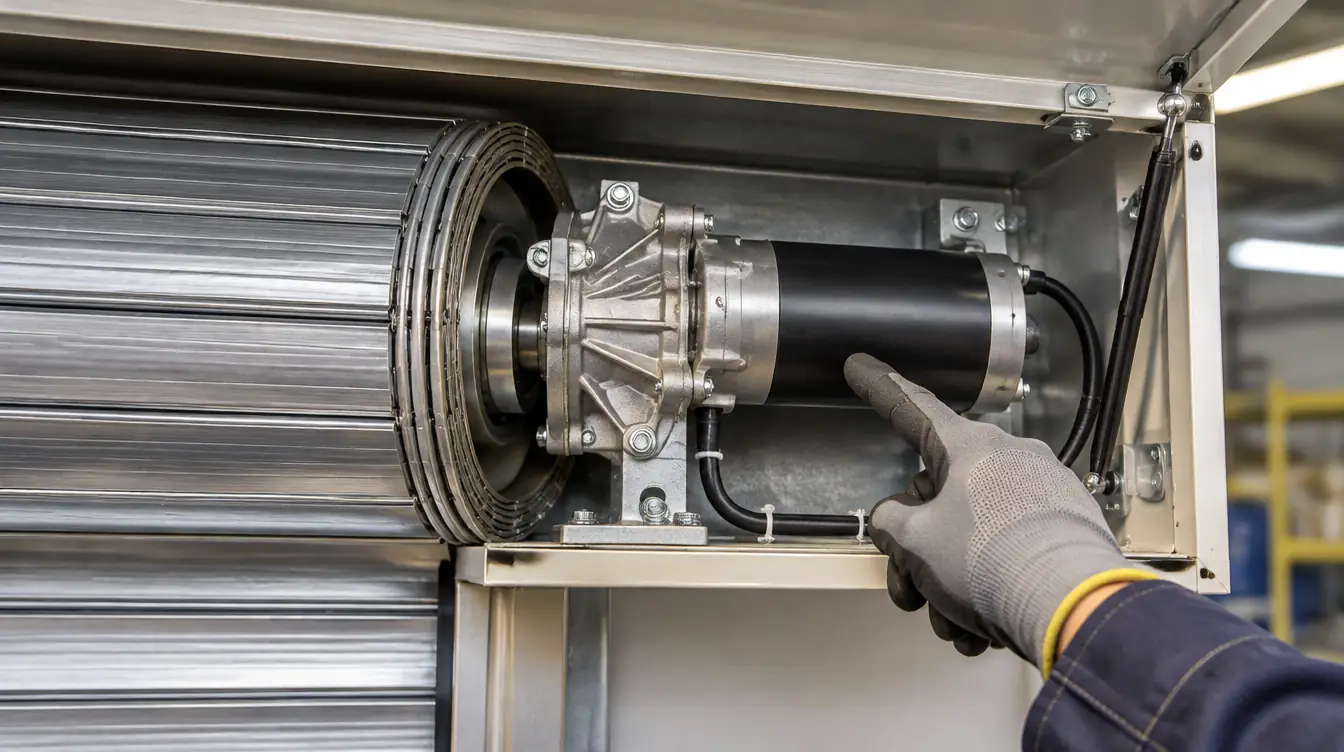
- motor, limits and control panel;
- manual override and how it works in a power cut;
- springs, barrel, end plates and fixings;
- guide rails, curtain condition and bottom rubber;
- signage and any damage from vehicles.
Need your shutters serviced and documented?
We service and repair industrial and commercial roller shutters across Hillington Park, Renfrew, Glasgow and Paisley. Every visit includes a written service record, and we will flag anything that affects safety so you can keep your compliance paperwork in order.
Frequently asked questions
Do roller shutters need a LOLER thorough examination?
Generally no. Roller shutters are not used to lift loads, so they are not usually treated as lifting equipment under LOLER. They should still be regularly serviced and checked under the Workplace Regulations and, where relevant, PUWER.
Is annual servicing a legal requirement?
The regulations require powered doors to be maintained and safe, but they do not set one fixed interval. Annual servicing is the common minimum in industry guidance, with more frequent checks for heavily used doors.
Who is responsible for maintaining a roller shutter at work?
The employer or the person in control of the premises, which can include landlords and managing agents for shared areas. Work should be carried out by a competent contractor.