Yes. Roller shutters can be fitted on the inside of a building, usually directly behind the shop window or door, with the box and guide rails hidden inside. Internal shutters protect your stock and stop entry through the glass, keep the frontage looking clean and are often easier to get approved in conservation areas. The main trade off is that the glass itself stays exposed on the outside.
Most people picture a roller shutter on the outside of a building, with the box above the shopfront and the curtain dropping down in front of the glass. That is the most common setup, but it is not the only one. Internal roller shutters are fitted on the inside, behind the glazing, and they are a popular choice for shops, cafes, offices and listed buildings across Glasgow.
How internal roller shutters work
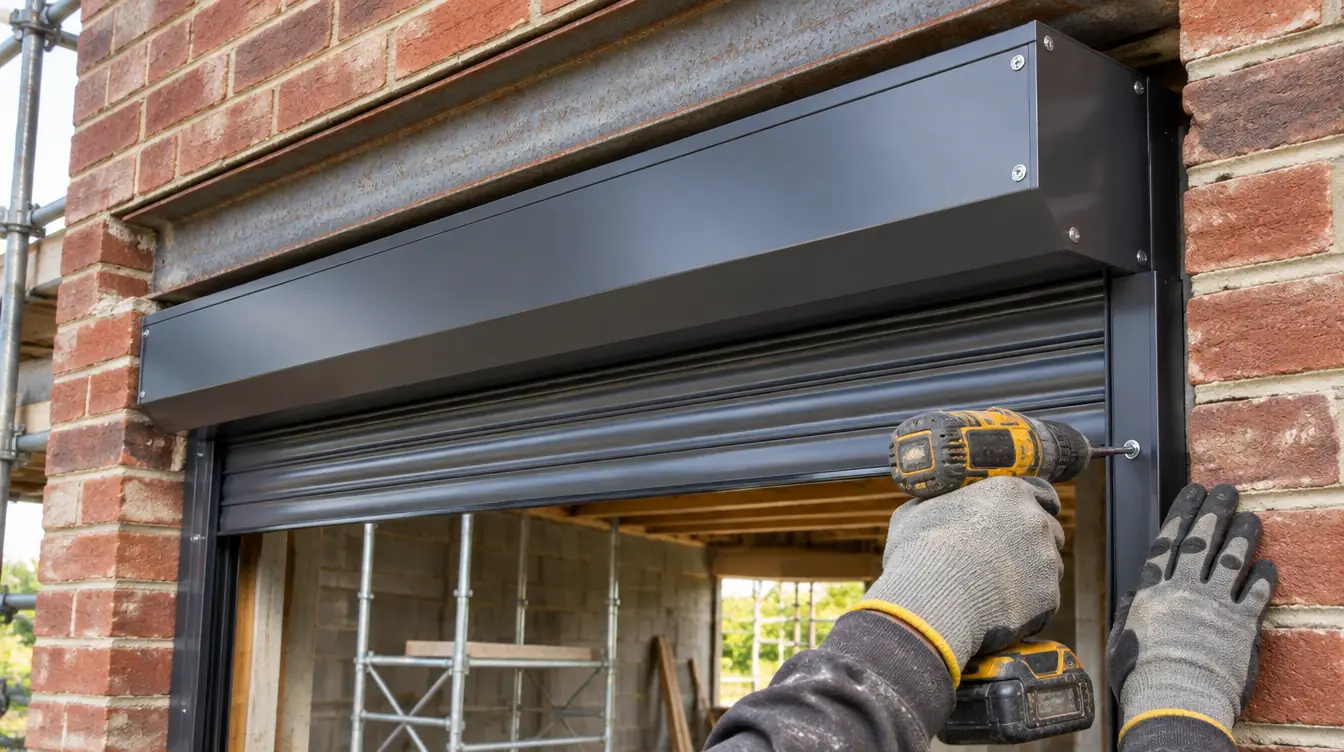
An internal shutter works in exactly the same way as an external one. The curtain coils into a box at the top and runs in guide rails down each side. The difference is that everything is mounted inside the building, typically just behind the window or door frame. From the street, people see the glass and, when the shutter is down, the curtain behind it.
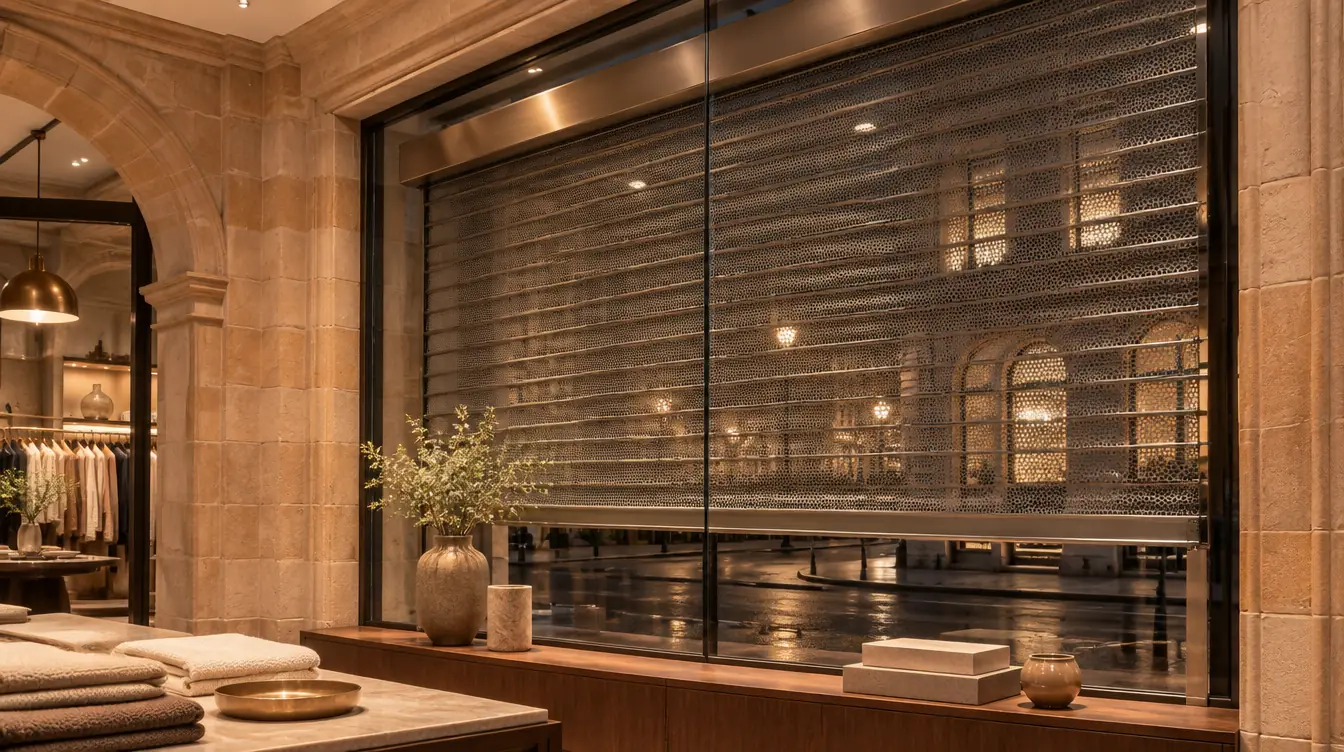
Internal shutters can be manual or electric, and they are available in solid, perforated and punched lath designs. Perforated and punched lath curtains are especially popular inside, because passers-by can still see your window display at night.
The benefits of fitting a shutter on the inside
- A cleaner frontage. There is no box or guide rails on the outside of the building, which keeps traditional shopfronts looking as they were designed.
- Easier approval in sensitive areas. Councils often prefer internal or open shutters to solid external ones. Glasgow's own shopfront guidance for the Shawlands Cross Conservation Area, for example, gives preference to internally mounted open bond shutters over solid security shutters.
- Less weather exposure. The shutter is not battered by rain, frost and road salt, so the mechanism and finish tend to last longer.
- Harder to tamper with. Locks, motors and key switches are inside the building, out of reach.
- Window displays stay visible when you choose a perforated or punched lath curtain.
The drawbacks to be aware of
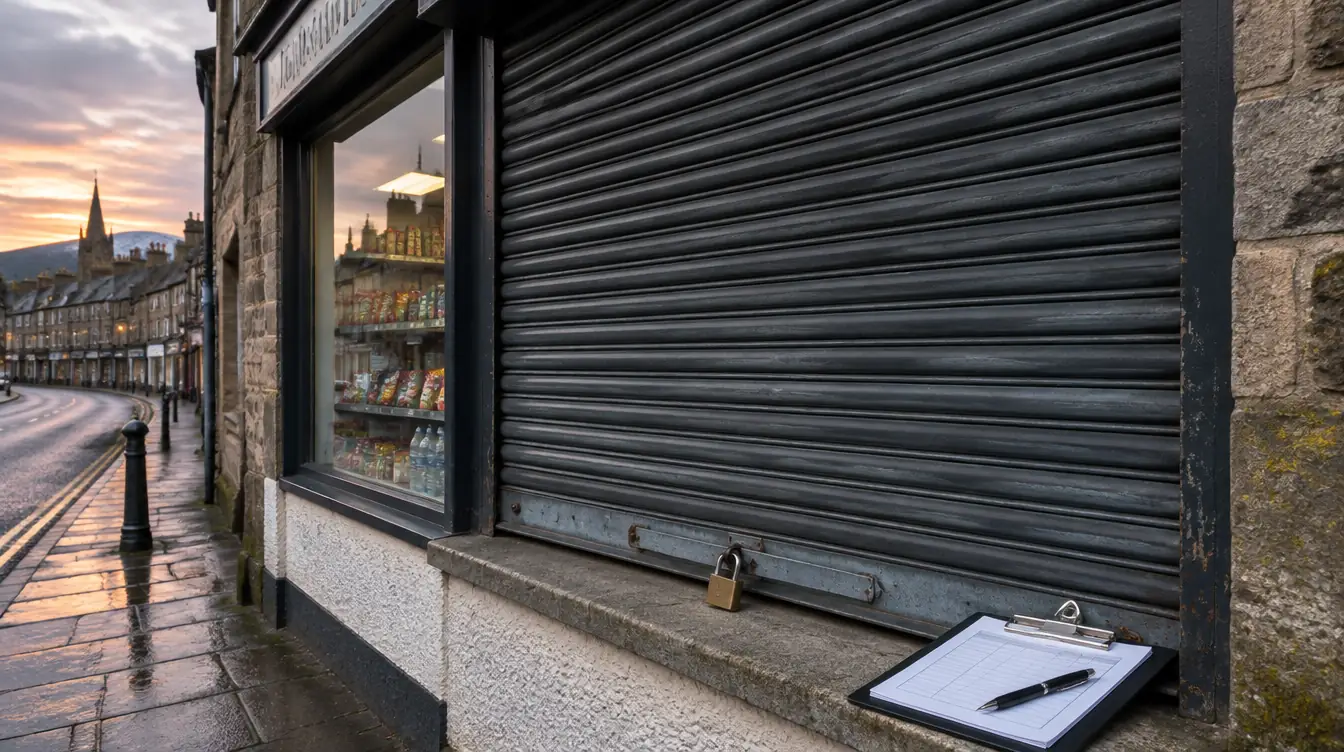
- The glass is still exposed. An internal shutter stops someone getting in through a broken window, but it does not stop the window being broken. Using laminated glass alongside an internal shutter helps.
- It needs space inside. You need enough room above the opening for the box and enough clear depth between the glass and any displays, counters or doors.
- Doors and fittings can get in the way. Inward opening doors, blinds, signs and lighting all need to be planned around.
- Fire escape routes must stay clear. If the shutter covers an exit, it must be open whenever the building is occupied, and your fire risk assessment should reflect that.
Do internal shutters need planning permission?
Work inside a building does not usually need planning permission, which is one reason internal shutters are popular. However, if the building is listed, you will normally need listed building consent for alterations, including internal ones. If you are unsure, check with the council before work starts. We can help you choose a design that is more likely to be acceptable.
Internal or external: which is right for you?
An internal shutter is often the right choice if your shop is in a conservation area or listed building, if the frontage is attractive and you want to keep it that way, or if your main concern is people getting in rather than glass being smashed. An external shutter is usually better if vandalism or broken glass is a regular problem, if your insurer has asked for a specific security rating, or if there is simply no room inside.
Some premises use both: a discreet internal shutter on the main glazing and a heavier external shutter on a rear or service door.
Talk to us about an internal shutter
We make every shutter to measure at our own premises in Glasgow, including slim internal shutters designed to fit behind traditional shopfronts. We will survey the opening, check the space you have inside and talk you through the security, appearance and planning considerations before you commit.
Frequently asked questions
Are internal roller shutters as secure as external ones?
They are very effective at stopping someone getting into the building, because the curtain, locks and motor are all inside. They do not protect the glass itself, so pairing them with laminated glass gives the best result.
Can an internal shutter be electric?
Yes. Internal shutters can be manual, chain operated or electric, with key switch or remote control operation.
Do I need planning permission for an internal shutter?
Internal works do not normally need planning permission, but listed buildings usually need listed building consent for alterations. Check with your council before work starts.