In most cases, yes. Fitting an external roller shutter to a shop or commercial building in Glasgow usually changes the appearance of the frontage, so it normally needs planning permission from Glasgow City Council. Listed buildings also need listed building consent, and in conservation areas the council generally prefers internal or open mesh shutters to solid external ones. Internal shutters do not usually need planning permission, unless the building is listed.
Roller shutters are one of the most effective ways to protect a shop, but in a city with as much historic architecture as Glasgow, they are also something the council pays close attention to. Fitting one without the right consent can lead to enforcement action and the cost of taking it down again. Here is what you need to know before you order.
Why shutters often need planning permission
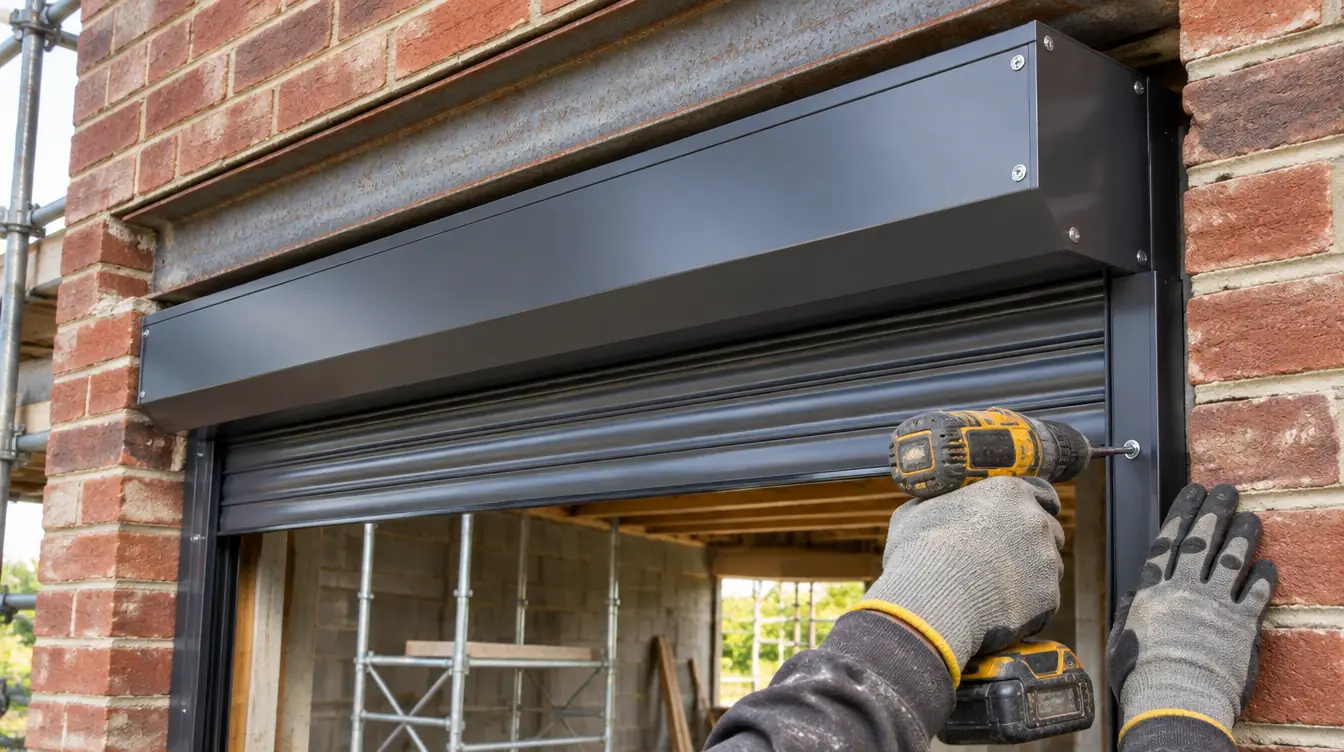
Planning permission is generally needed for changes that materially affect the external appearance of a building. An external shutter adds a box above the shopfront, guide rails down the sides and, when it is closed, a large metal surface across the frontage. That is usually enough to count as development that needs permission, particularly on commercial premises facing a street.
Like for like replacements are treated differently. Replacing an existing approved shutter with one of the same size, position and appearance is normally seen as repair rather than a new development. If you are changing the type, colour, box position or size, treat it as a new shutter and check first.
Conservation areas in Glasgow
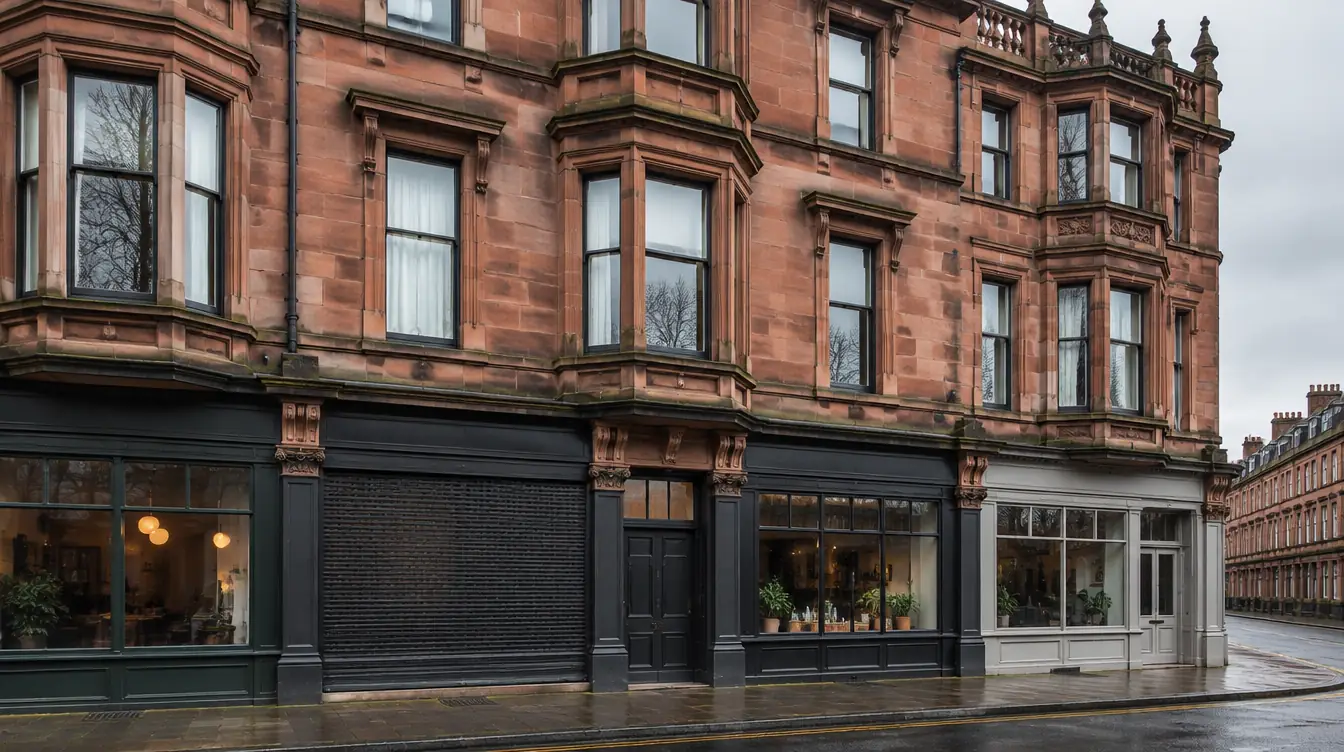
Glasgow has a large number of conservation areas, including much of the city centre, the West End, Shawlands, Pollokshields and Dennistoun. In these areas the council is especially concerned about solid shutters, because a row of closed metal fronts creates a blank, unwelcoming street at night.
The council's shopfront design guide for the Shawlands Cross Conservation Area is a good example of the approach. It gives preference to laminated glass or internally mounted open bond shutters over solid security shutters, notes that solid shutters have a negative impact on the streetscape, and lists external security shutters and grilles among the works to discuss with the council before you go ahead.
In practice, that means the options most likely to be approved in a conservation area are:
- internal shutters fitted behind the glass;
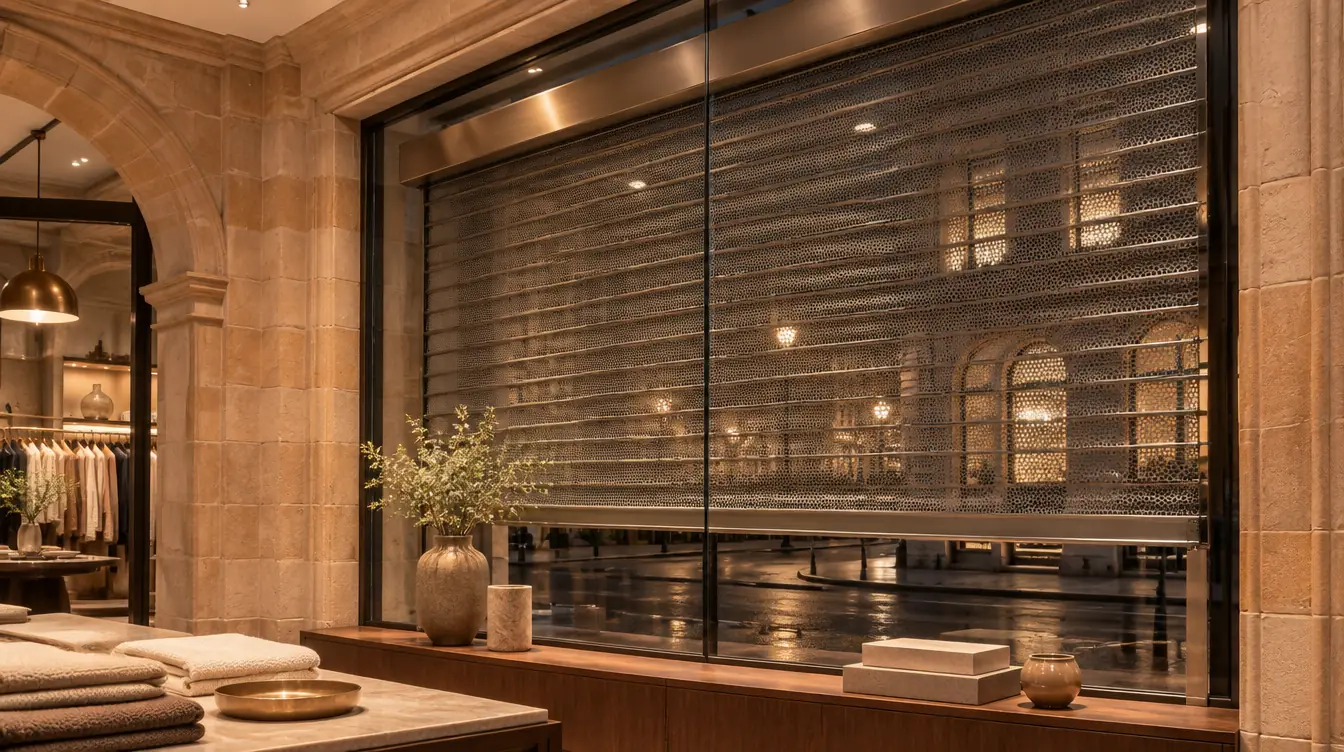
- open mesh, perforated or punched lath shutters that let light and views through;
- removable grilles;
- laminated glass instead of, or as well as, a shutter.
Listed buildings
If your shop is part of a listed building, you will normally need listed building consent for any alteration to the shopfront, inside or out. The expectations are higher, and solid external shutters are rarely accepted. Internal shutters or removable grilles are usually the starting point. Speak to the council early if your building is listed.
What about homes and garages?
Householder permitted development rules in Scotland are separate from the rules for shops, and they change from time to time. Some domestic shutters may be allowed without an application, but conservation areas, listed buildings and flats are treated differently. Always check the current position with the council for your property before installing.
How to apply
- Check first. Look at whether your property is listed or in a conservation area using the council's online maps, and read any local shopfront guidance.
- Choose a suitable design. Internal, perforated or punched lath shutters in a colour that suits the frontage give you the best chance of approval.
- Prepare drawings. You will usually need a location plan, existing and proposed elevations, and details of the box position, colour and finish.
- Submit online. Applications in Scotland are made through the ePlanning Scotland portal, along with the fee.
- Wait for a decision. Do not install the shutter until permission is granted.
What happens if you fit a shutter without permission?
The council can ask you to apply retrospectively, and if permission is refused they can take enforcement action requiring the shutter to be removed. That means paying for the shutter twice. It is much cheaper to check first.
We can help you choose a shutter that suits Glasgow's streets
We fit shutters across Glasgow, including the city centre and the West End's sandstone shopfronts. We make every shutter to measure, can supply drawings and product details for your application, and can recommend internal, perforated or colour matched options that are more likely to be acceptable. Final decisions always rest with the council, so we recommend speaking to them early on sensitive buildings.
Frequently asked questions
Do I need planning permission to replace an old shutter?
A genuine like for like replacement of an existing approved shutter is usually treated as repair. If you change the size, type, colour or box position, check with the council first.
Are perforated shutters easier to get approved?
Often, yes. Open and perforated shutters keep the street looking active at night, which is why councils, including Glasgow City Council in its conservation area guidance, tend to prefer them to solid shutters.
Do internal shutters need planning permission?
Internal works do not usually need planning permission. If the building is listed, you will normally need listed building consent instead.