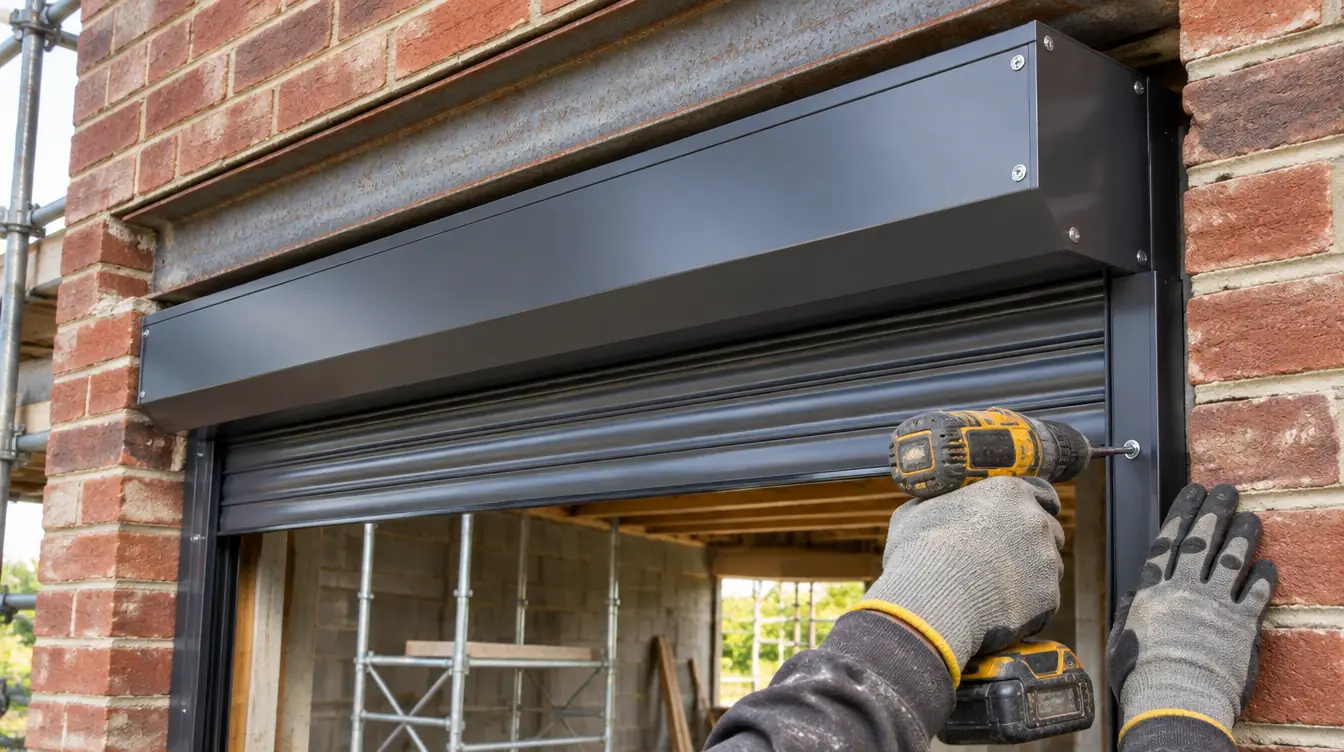
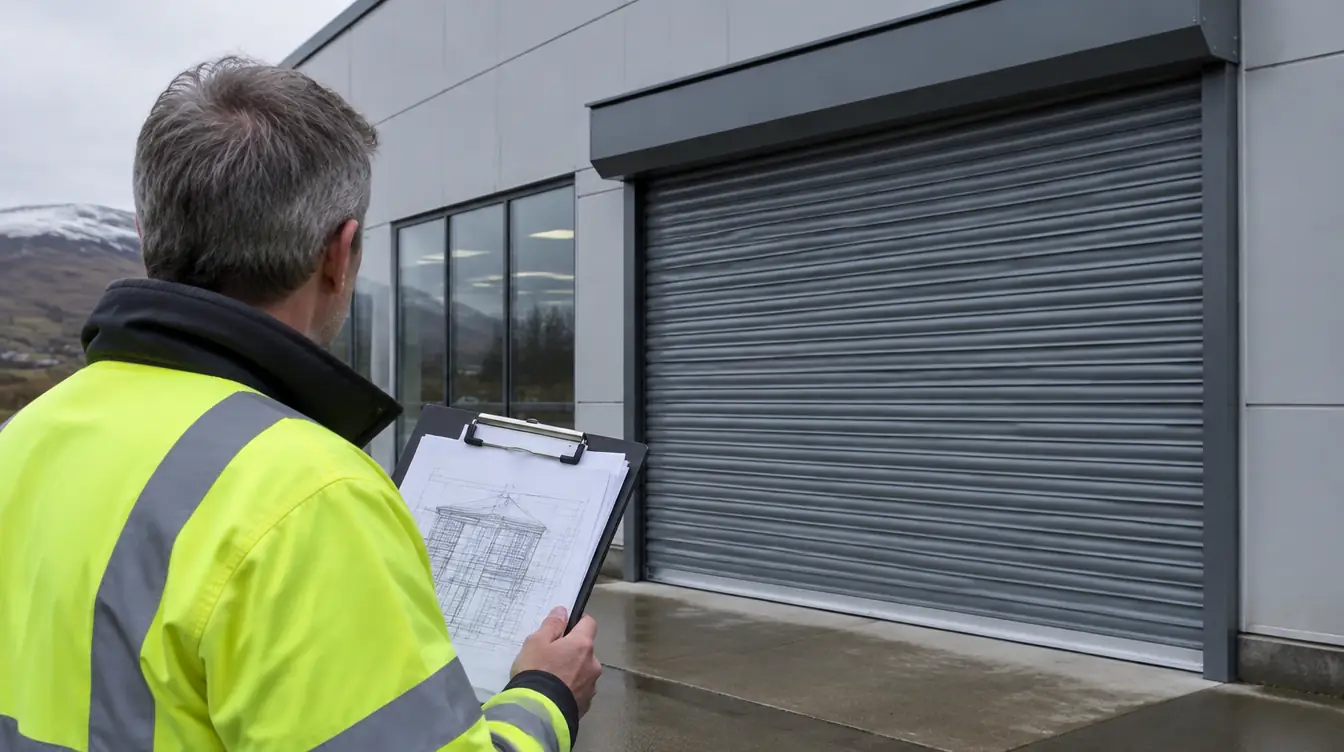
Often not, if the shutter is simply fitted to an existing opening without altering the structure, fire protection or escape routes. You are likely to need a building warrant if the work involves forming or enlarging an opening, altering an external or loadbearing wall, or affecting a fire escape or fire separation. Even where no warrant is needed, the work must still meet the Scottish building standards, so check with your council's building standards team if you are unsure.
In Scotland, there are two separate approvals people often mix up when they are planning a roller shutter: planning permission and a building warrant. Planning is about how the shutter looks and its effect on the street. A building warrant is about whether the work is safe and meets the building standards. You can need one, both or neither, so it is worth understanding the difference before you book an installer.
What a building warrant is for
A building warrant is permission from your local authority's building standards service to carry out building work, issued under the Building (Scotland) Act 2003 and the Building (Scotland) Regulations 2004. It covers matters such as structure, fire safety, means of escape, access and energy performance. Work that needs a warrant cannot legally start until the warrant has been granted, and a completion certificate is submitted when the work is finished.
Work that does not need a warrant still has to comply
The regulations list types of work that can be carried out without a warrant. The important point, which the Scottish Government's technical handbooks make clear, is that this work must still meet the building standards. "No warrant needed" does not mean "no rules". If a shutter installation makes a building less safe, for example by blocking an escape route, it is still a problem even if nobody applied for a warrant.
When a roller shutter is unlikely to need a warrant
Every building is different and only the council can give a definitive answer, but in practice a warrant is less likely when:
- the shutter is fitted to an existing door, window or loading bay opening;
- the opening is not being made bigger and no structural work is needed;
- the shutter is not on a fire exit or escape route, and does not form part of a fire-resisting wall;
- it is a like for like replacement of an existing shutter.
When you are likely to need a warrant
- Forming a new opening or making an existing one wider or taller, especially in an external or loadbearing wall. The handbook specifically gives "slapping" a new door or window opening as work outside the exemptions.
- Structural alterations such as new lintels, steel beams or changes to columns to take a larger shutter.
- Fire exits and escape routes. Fitting a shutter across a route people use to escape in a fire needs careful assessment.
- Fire shutters forming part of a fire-separating wall, such as between a kitchen and a dining area, or within a compartment wall in a warehouse.
- Part of a bigger project such as a change of use, extension or shop fit-out that already needs a warrant.
What about the electrics?
Electric shutters need a power supply, isolator and controls. Some electrical work does not need a warrant, but it must still be designed, installed and tested by a competent person to the current wiring regulations. We work with qualified electricians and provide the documentation for the shutter installation.
Planning permission is a separate question
Even if you do not need a building warrant, an external shutter on a shop or commercial building will often need planning permission, and listed buildings usually need listed building consent. We cover that in our guide to planning permission for roller shutters in Glasgow.
How to check
- Describe the work clearly: the size of the opening, whether it is being altered and how the building is used.
- Check whether the opening is on an escape route or in a fire-resisting wall.
- Contact your council's building standards team for advice if you are unsure. Many councils publish guidance on works not requiring a warrant.
- If a warrant is needed, apply through the eBuilding Standards portal before work starts.
We can help you plan the job
When we survey a shutter installation, we look at the opening, the structure and how the doorway is used, and we will flag anything that is likely to need building standards approval. For new openings and structural changes we are happy to work alongside your architect, engineer or builder so the shutter is designed into the job from the start.
Frequently asked questions
Is a building warrant the same as planning permission?
No. Planning permission deals with appearance and land use, while a building warrant deals with safety and building standards. A roller shutter can need one, both or neither.
Can I replace an existing roller shutter without a warrant?
A like for like replacement on an existing opening is unlikely to need a warrant, provided nothing about the structure, fire protection or escape routes changes. The new shutter must still meet the building standards.
Who decides whether I need a building warrant?
Your local authority's building standards service. If you are unsure, ask them before work begins.